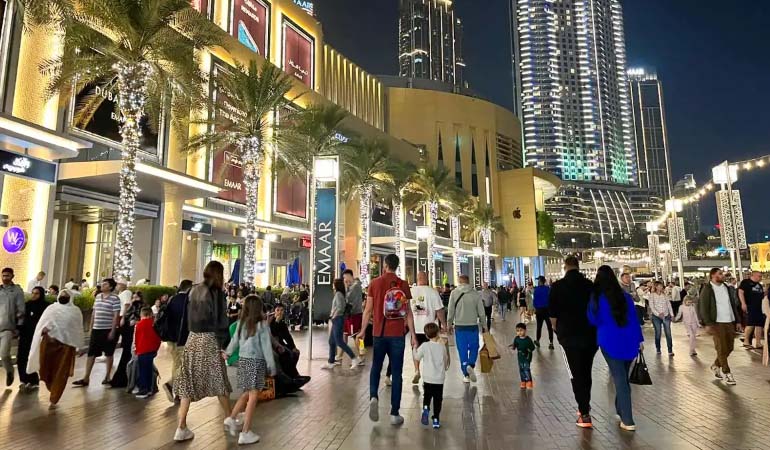
Dubai blends modern city life with strong cultural values. Tourists are welcome to dress comfortably, but choosing the right outfits for the right places makes your trip smoother and more enjoyable.
Visitors heading to Dubai often wonder how to pack, and the good news is that the city is welcoming while still valuing cultural awareness. Light, breathable outfits work well in the heat, with dresses, shirts, trousers, and longer shorts commonly seen in malls, attractions, and hotels. Swimwear is perfectly acceptable at beaches and pools, yet should be covered when moving through public spaces.
Clothing that is extremely revealing or transparent can attract unwanted attention, particularly in traditional neighborhoods or government buildings. Carrying a scarf or light layer is useful for entering mosques or more conservative areas where modest coverage is appreciated. Dressing thoughtfully allows travelers to feel comfortable, show respect, and enjoy everything the destination offers with confidence.
This guide helps you pack smartly and feel confident wherever you go in Dubai.
Dubai Dress Code Explained Simply
There’s no strict law telling tourists what to wear, but respectful clothing is expected in public spaces. Think of Dubai’s dress style as relaxed elegance.
- Public areas prefer modest outfits
- Beaches and pools allow swimwear
- Religious places require covered clothing
- Malls and restaurants favor smart casual looks
Covering shoulders and knees is a safe rule in most public places.
Everyday Outfits for Exploring Dubai
For sightseeing, shopping, or casual walks, comfort comes first—without being too revealing.
Men
- Casual shirts or polos
- Breathable trousers or jeans
- Knee-length shorts
- Sneakers or comfortable shoes
Women
- Loose tops or blouses
- Long dresses or skirts
- Wide-leg pants or light jeans
- Comfortable sandals or flats
Clothing should feel easy to wear while looking neat.
Dressing for Malls, Cafes, and Dining Spots
Dubai’s indoor venues are stylish and lively. Dressing well enhances your experience.
Good choices include:
- Casual dresses
- Smart tops with trousers
- Light cardigans or shawls
Avoid:
- Short skirts
- Low-cut tops
- Transparent clothing
A simple cover-up keeps things effortless.
Beach, Pool & Resort Wear
Dubai’s beaches are relaxed and international.
- Bikinis and one-piece swimsuits are fine
- Swim shorts are allowed
- Always cover up outside beach areas
Walking around public streets in swimwear is discouraged.
What to Wear for Desert Trips & City Tours
Tour activities call for comfort and protection.
Recommended outfits:
- Soft cotton clothing
- Long sleeves for coverage
- Trainers or closed shoes
- Sunglasses and hats
Bring a light layer for evening desert activities.
Visiting Mosques: What Tourists Should Know
Mosques require modest clothing.
Women
- Long-sleeved tops
- Long skirts or trousers
- Head covering
Men
- Long pants
- Sleeved shirts
- Many mosques provide coverings if needed.
Dressing During Ramadan
During Ramadan, modest dressing is more important in public places.
- Avoid revealing outfits during the daytime
- Loose and covered clothing is preferred
- Evenings are more relaxed after Iftar
This helps you respect local customs comfortably.
Clothing to Avoid in Public Places
Skip outfits that may cause discomfort or attention:
- Clothing with offensive graphics
- Very short or tight outfits
- Transparent fabrics
- Barefoot walking in malls or streets
Final Packing Advice
- Choose breathable fabrics
- Pack versatile outfits you can layer
- Bring a scarf for flexibility
- Comfort and respect always win
Final Thought
Dubai is welcoming and stylish. Dressing thoughtfully helps you move around comfortably while showing respect for the culture. When you choose neat, modest, and practical outfits, you’ll feel confident whether you’re exploring the city, relaxing at a resort, or visiting cultural landmarks. Pack smart, stay comfortable, and enjoy everything Dubai has to offer without worrying about what you’re wearing.
Frequently Asked Questions (FAQs)
1- What should tourists wear in Dubai?
Tourists should wear lightweight, breathable clothing that covers their shoulders and knees in public places. Casual attire is acceptable, but modest dressing is recommended, especially in malls, mosques, and traditional areas.
2- Can visitors wear shorts in Dubai?
Yes, visitors can wear shorts, particularly in tourist zones, beaches, and resorts. However, extremely short or revealing styles may be inappropriate in shopping malls, public offices, and cultural sites.
3- What is the dress code for women in Dubai?
Women are not required to wear traditional clothing, but modest outfits are advised. Dresses, skirts, or pants that cover knees, along with tops covering shoulders, are generally considered respectful.
4- What should I wear when visiting a mosque in Dubai?
Visitors should wear fully modest attire. Women must cover their hair, arms, and legs, while men should wear long pants and sleeved shirts. Many mosques provide abayas or scarves if needed.
5- Is Dubai strict about clothing rules for tourists?
Dubai is relatively relaxed compared to some regions, but respectful dressing is expected. Wearing modest clothing helps avoid unwanted attention and ensures comfort across public and cultural environments.